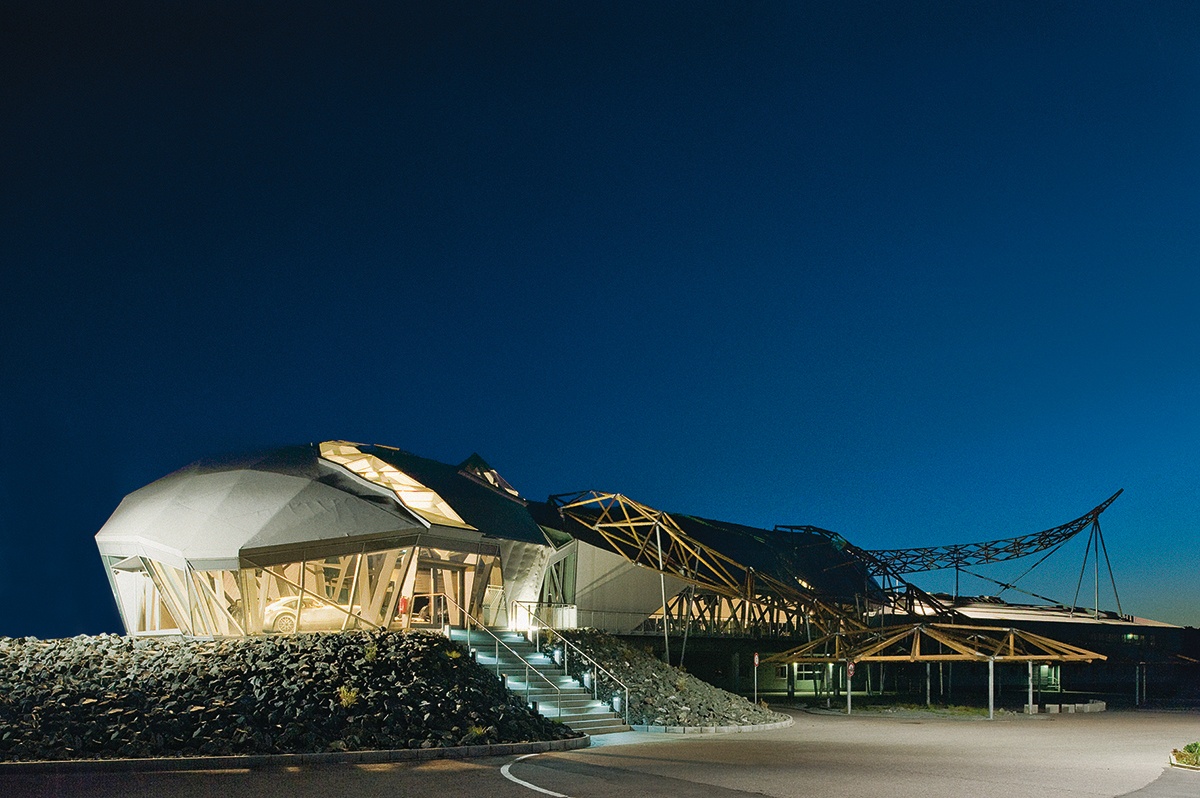
The gecko factory
In 2007/2008 Wiesmann moved into the new manufactory in Dülmen. With its glass façade and a roof reminiscent of a gecko, it quickly became an architectural symbol of the brand.

Wiesmann is not an ordinary car brand. Its vehicles were not created as mass-produced products, but as hand-built sports cars from Dülmen – with classic design language, modern BMW technology and a very distinctive personality.
The idea was fascinatingly simple from the start: a roadster in the spirit of the great classics of the 1950s and 1960s, combined with reliable, powerful German engineering. From this idea came a small manufactory whose cars have long since achieved cult status.
In 2007/2008 Wiesmann moved into the new manufactory in Dülmen. With its glass façade and a roof reminiscent of a gecko, it quickly became an architectural symbol of the brand.
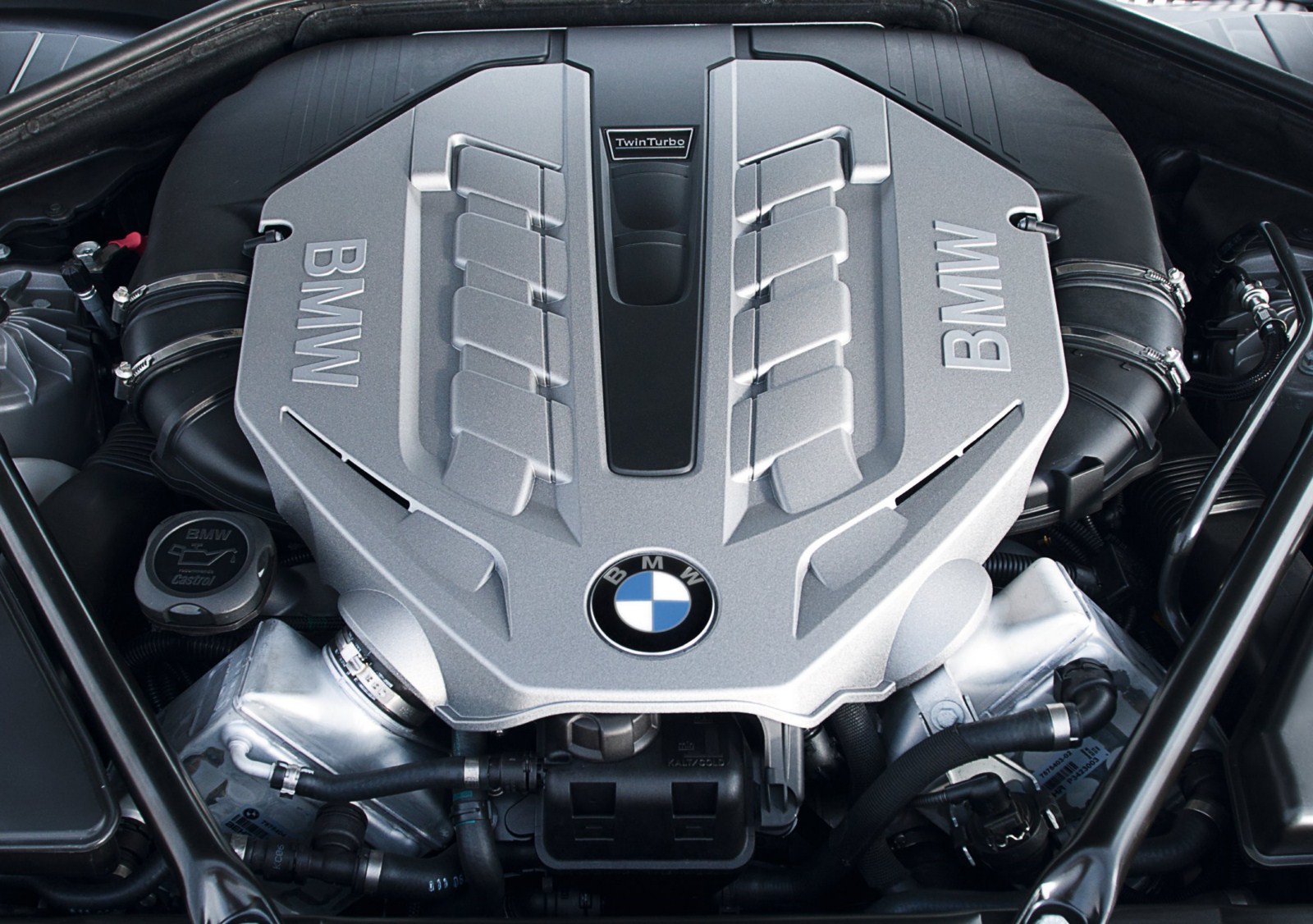
Classic sports car on the outside, proven technology on the inside: engines, transmissions, control units and many components came from BMW series production – wrapped in an unmistakable Wiesmann body.
The gecko became Wiesmann’s trademark because it perfectly describes the idea behind the cars: light, fast, agile – and with exceptional grip. Just as a gecko seems to cling effortlessly to walls, the sports cars from Dülmen were meant to stick to the road.
That image still suits the brand today: classic lines, BMW technology underneath and a driving feel that is direct, mechanical and deeply connected.
It all began in 1985 at the Essen Motor Show, when Martin and Friedhelm Wiesmann developed the idea of a modern classic. The company was founded in 1988, and series production of the first roadsters began in 1993. By 2013, a total of 1,599 Wiesmann roadsters and GTs had been built – all by hand.
The model designation “MF” stands for Martin and Friedhelm. The number refers to body and engine variants. The range spans from the light six-cylinder roadster to the brutal V10 and V8 biturbo models.
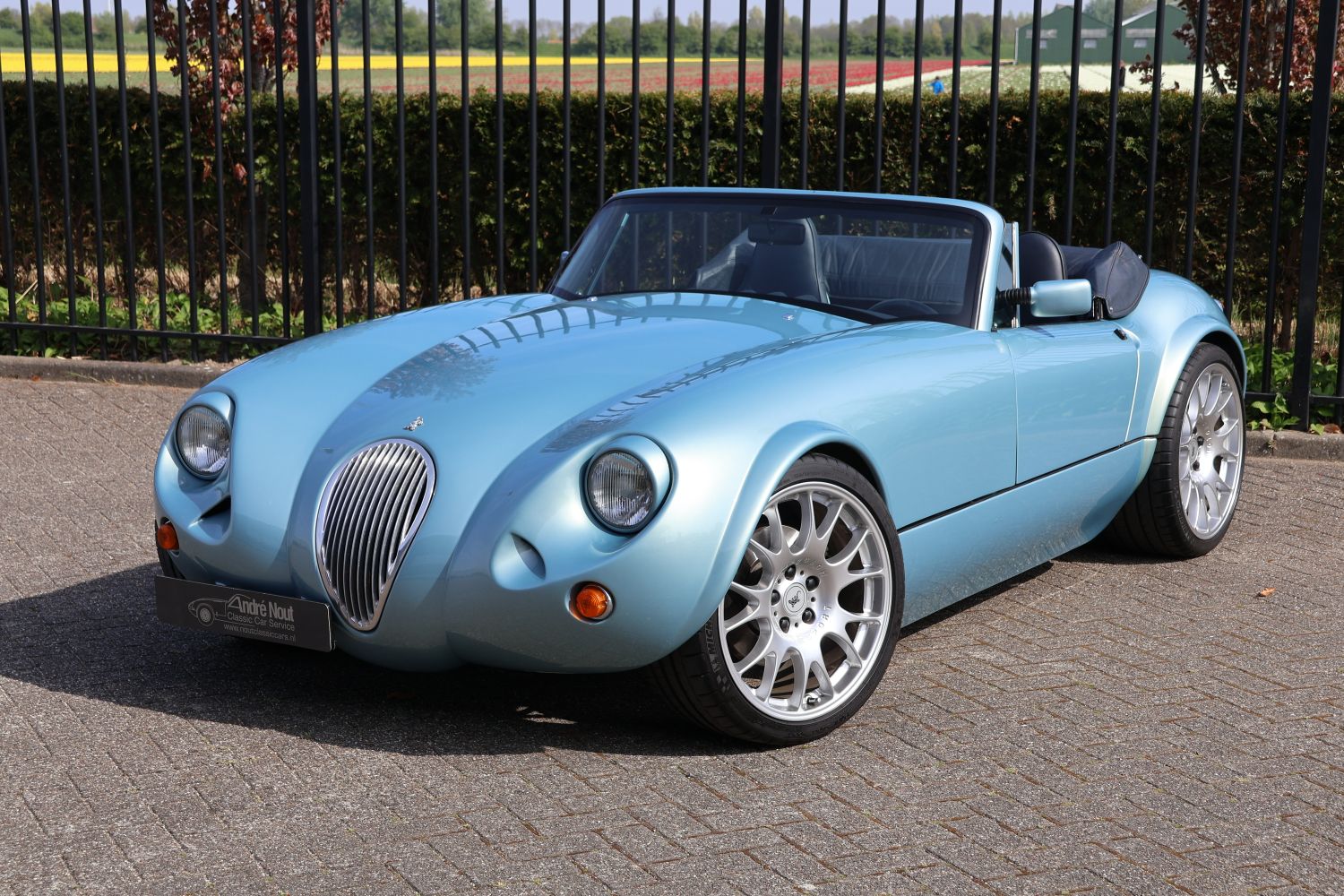
The early roadsters laid the foundation: open two-seaters with a classic silhouette, tubular frame and fiberglass body. With outputs from 170 to 231 PS, they were light, direct and very purist.
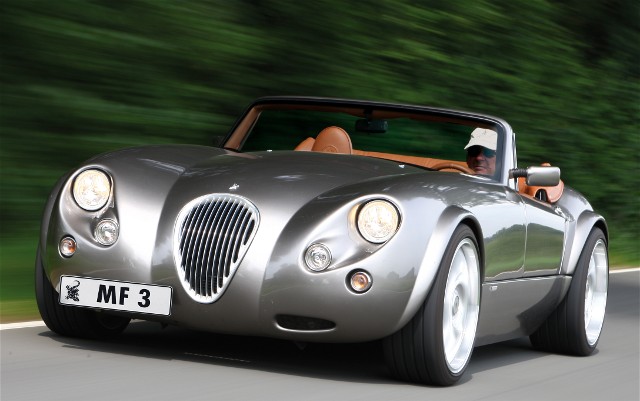
The MF3 became the brand’s best-known classic roadster. With BMW M inline-six engines, later up to 343 PS, it combined low weight with a love of revs and an extremely immediate driving experience.
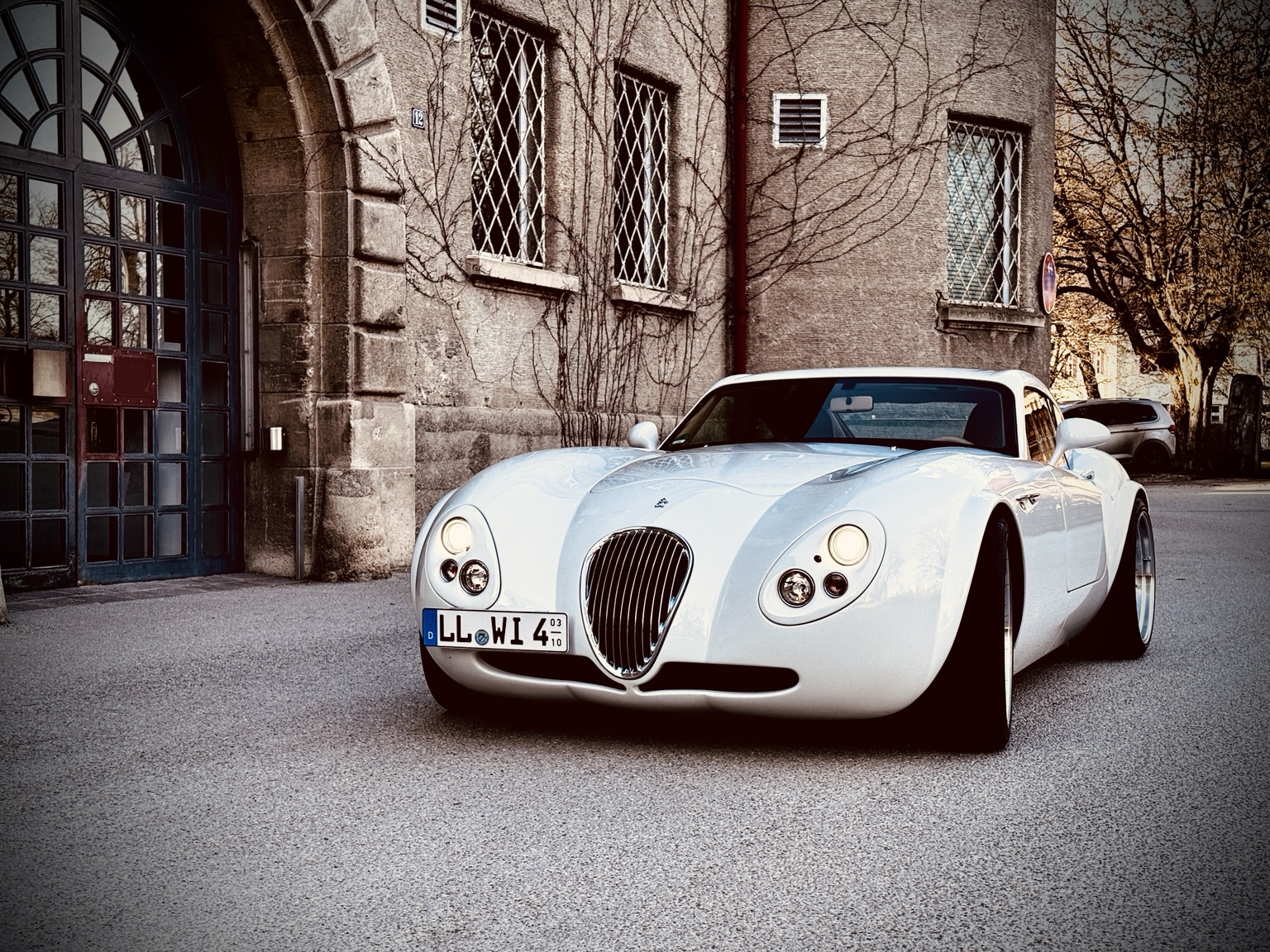
The GT MF4 was the first closed Wiesmann. It brought the coupé form to the brand and combined an aluminium monocoque weighing only around 110 kg with V8 power, a fiberglass body and the classic front-mid-engine concept.

The MF4-S sharpened the concept with the 4.0-litre high-revving V8 from the BMW M3. The MF4-CS Clubsport version was intended for the 25th anniversary – due to the insolvency, it remained extremely rare.
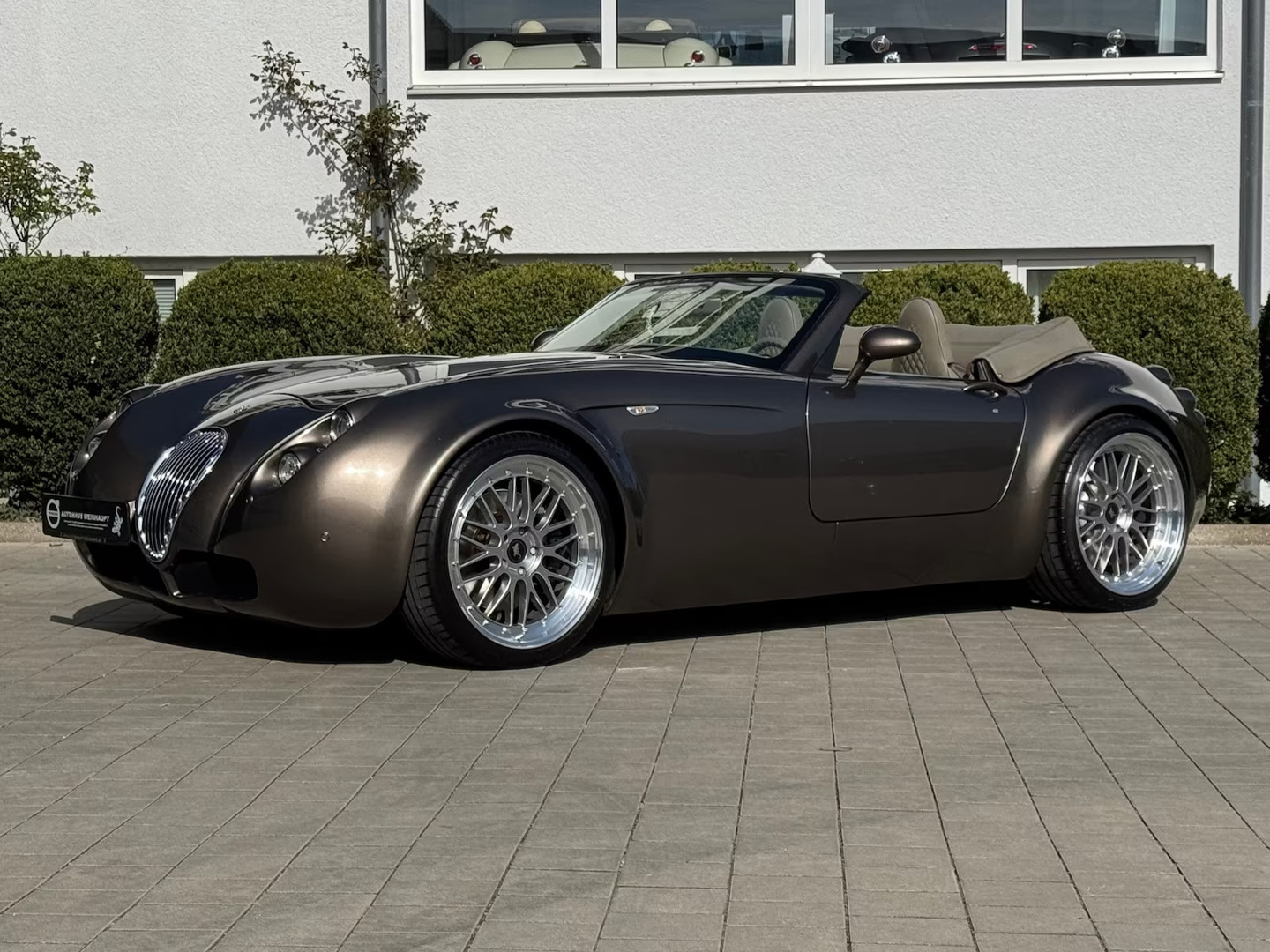
The open MF4 brought the V8 world to the roadster. Depending on the version, it used 367 PS as a naturally aspirated engine, 407 PS as a V8 biturbo or 420 PS in the MF4-S – elegant, open and yet brutally fast.
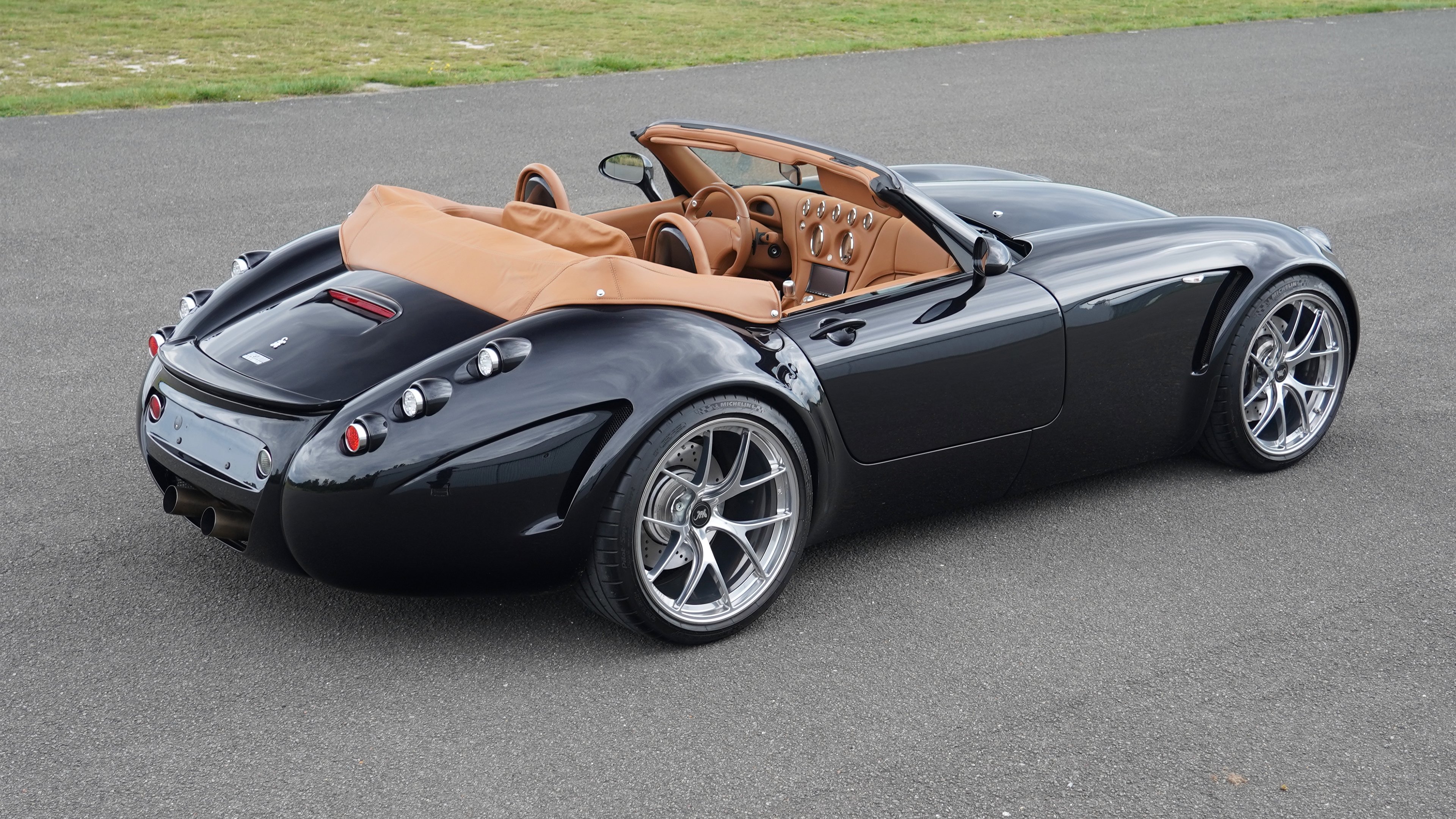
The MF5 was the most powerful classic Wiesmann evolution. Initially with the legendary BMW V10 from the M5 and M6, later with a V8 twin-turbo and up to 555 PS. Wider, more extreme and clearly more uncompromising than the MF4.
Emotionally, a Wiesmann is hard to reduce to plain numbers. Of course, power, weight and driving dynamics matter. But the real appeal lies in the mix: classic beauty, craftsmanship, rare production numbers and a driving experience that still feels very direct and analogue.
Only 1,599 roadsters and GTs were built by 2013. A Wiesmann is therefore not a car you often encounter by chance – it is one you remember.
Almost every step was done by hand. That does not make the cars industrially perfect, but it gives them their special character.
Long bonnet, short rear, low seating position, rounded shapes: the design references classic sports cars without feeling like a copy.
Under the long bonnet, BMW engines with six, eight or ten cylinders did their work – from the agile roadster to the 555 PS MF5.
Content inspired by the model and history overview of the Wiesmann Club e.V. as well as historical Wiesmann model information.